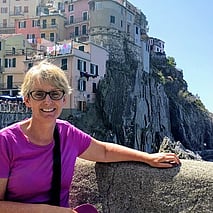
During my recent trip to Japan, I experienced first‑hand what it’s like to travel the country with a checked‑in wheelie bag. For a long‑time carry‑on‑only traveller, this was a significant shift in approach. This trip was different for many reasons, but primarily because I was working as a Tour Manager for a New Zealand–based travel company, Calder & Lawson Tours, while working closely with an experienced Japan‑based guide from Walk Japan.
My role meant I was carrying more than just personal belongings. I had a folder of documentation, a guidebook, a larger‑than‑normal first aid kit, and a handful of work‑specific items. Since I had the wheelie bag anyway, I added a few extra clothing layers. Something I’d normally avoid, but hey, I had the capacity so why not! For someone firmly committed to backpack travel, this felt like a significant change in mindset.
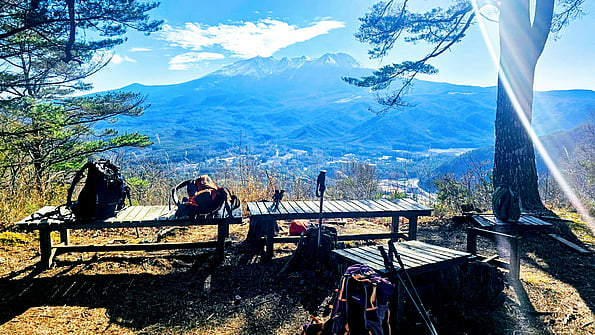
Not sure what a collection of bags is called...a pack of packs?
What I enjoyed as a traveller with checked‑in luggage
The biggest advantage of travelling Japan with a wheelie bag was the freedom to carry more without constantly worrying about space. Japan is a country that rewards curiosity, and being able to purchase local snacks, small souvenirs, and practical items without playing luggage Tetris was a nice change to my normal travel routine.
That said, my suitcase wasn’t large by international standards. It was technically carry‑on size but weighed around 9kg on the way to Japan and closer to 11kg on the return trip. That extra weight came almost entirely from items I wouldn’t normally carry, but they were nice to have, or dare I say it, just in case!
Travelling with a larger bag also meant I didn’t have to be quite so ruthless when packing. I brought along a cotton shirt/jacket that proved invaluable for cool spring evenings, especially when walking to local restaurants after sunset. Small comforts like my cosy merino/possum socks for wearing on tatami mats make a surprising difference on a trip where your feet need to be rewarded for their hard work.
On a hiking itinerary like the Nakasendo Way, luggage logistics are handled particularly well. Bags are often transported between accommodation, meaning each morning you leave your suitcase at reception and are reunited with it later that day. In this context, a wheelie bag was far easier to manage than my usual packable bag, which once souvenirs are added, has a habit of stretching to its absolute limits.
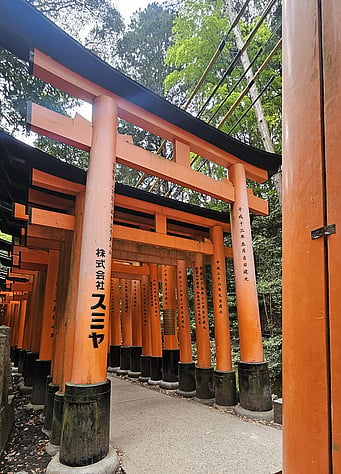
A small packable daybag is all that's called for when sightseeing.
What I didn’t enjoy as a traveller with checked‑in luggage
Waiting at the airport luggage carousel remains one of my least favourite parts of travel. After years of breezing straight through arrivals, standing still felt oddly frustrating. However, travelling with a group that time became a natural place to chat, answer questions, and build rapport with my tour group.
I still carried a backpack during the day for hiking and essentials, and I was constantly conscious of the extra bag. I caught myself double‑checking platforms and exits, aware of how easy it would be to walk off without the suitcase simply because I wasn’t used to managing more than one piece of luggage.
Although our transport arrangements were well organised by Walk Japan and seamless, there were moments that highlighted the trade‑offs of checked luggage. Taking suitcases from the airport to Kyoto on Japan’s rail system underscored how much I value the freedom of movement that comes with travelling light. Japan’s trains are efficient and punctual, but stations can be busy, stair‑heavy, and compact, particularly during peak travel times.
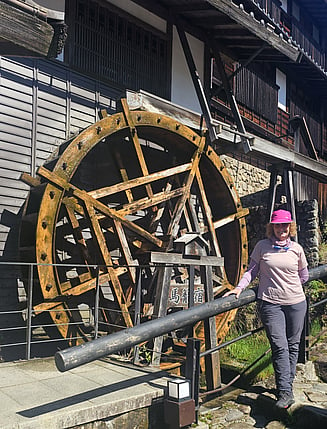
Loving my foray into being a Tour Manager. It was right up my alley!
What I enjoyed as a solo traveller turned tour manager
After a mix of guided and self‑guided hiking experiences, I’ve grown to appreciate the structure and rhythm that group travel provides, especially in a destination like Japan. Hiking the historic Nakasendo Way, being on the move each day, and working closely with a local guide offered insight into Japanese culture that went well beyond surface‑level tourism.
Seeing Japan through both a professional and personal lens added depth to the experience. Even logistical challenges like train transfers, meals, keeping everyone aligned, became learning opportunities.
My independent travel background gave me confidence in leading the group. Without a guide at certain points, I organised the journey from the airport into Tokyo, managed the transition onto the high‑speed Shinkansen to Kyoto, and later navigated parts of the group to the Fushimi Inari Torii gates via local trains. Getting myself lost is one thing; ensuring twelve paying guests stay together and on schedule is quite another.
Different bags for different reasons and seasons
This trip reinforced the idea that flexibility is one of the most important travel skills. While I still prefer travelling anywhere with a carry‑on backpack whenever possible, there are situations where that approach simply doesn’t work. Longer trips, work roles, and multi‑day hikes each come with different requirements, and this was a clear example of that.
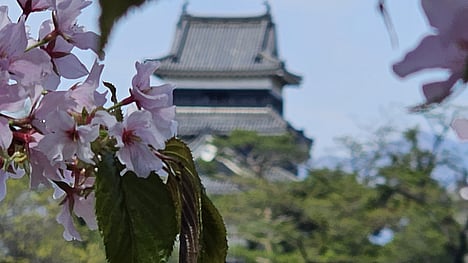
Matsumoto Castle amid blossoms - shoulder season packing requires layers.
The size and weight of the bag matters
One thing remained constant, lighter is still better. Whether navigating airports, boarding trains, crossing platforms, or hauling luggage up narrow staircases in traditional ryokan accommodation, a manageable bag makes all the difference.
This doesn’t mean ultra‑light or minimalist at all costs, but rather realistic and functional. A bag that can be lifted easily, rolled smoothly, and carried short distances without strain is far more valuable than one that simply holds more.
Would I travel with a wheelie bag again?
Absolutely. For future tour manager roles, I’ll happily use a wheelie bag again. The convenience, added capacity, and practicality outweigh the drawbacks, especially when carrying work equipment alongside personal items.
For personal solo travel I'll definitely revert back to my trusty backpack and carry-on only. It's still my favourite.
As with most travel decisions, the key is not declaring one method superior but choosing the right tool for the trip. Japan rewards preparation, adaptability, and thoughtful choices, and sometimes, that choice includes a wheelie bag.
Having extra space also meant I was able to buy a buckwheat husk Sobakawa pillow. At a hefty 2.5 kilos and not at all compactable, I was thrilled to get this home. I absolutely love it...and as one of my friends said, Is this what our life has come to...pillows?! You bet!
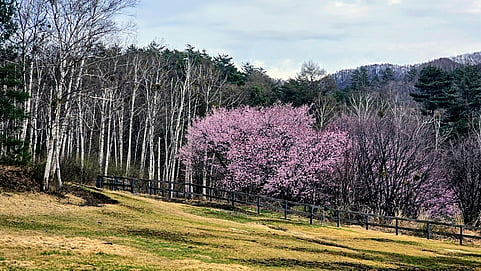
Stunning scenery on the Nakasendo Way.
Travelling Japan with a wheelie bag challenged many of my long‑held travel habits, but it reinforced a lesson I keep coming back to: there isn’t one “right” way to travel. There’s only what works best for this trip, this season, and this role. On this trip in Japan, the realities of airports, trains, stations, stairs, and daily movement made luggage choices feel much more immediate.
If you’re planning your own Japan adventure and weighing up backpack vs suitcase, you might also enjoy reading 5 great reasons to travel solo & travel light in Japan and my more reflective piece Travelling Light, Living Fully: A Journey Through Japan and Beyond. If you’re keen to put the “travel lighter” idea into practice, How to Pack a Light Carry‑On Backpack for 2 Weeks or 2 Months is a great place to start.
Ultimately, the best travel setup is the one that supports how you want to move through Japan - confidently, comfortably, and with enough flexibility to enjoy the moments in between, and allows you to bring a pillow home!
------------------------------------------
About the author
Katherine Leamy is a solo travel and travelling light enthusiast. Her latest pivot is into being a New Zealand–based tour manager, which she thoroughly enjoyed. She is an experienced independent traveller with a strong interest in hiking, cultural travel, meeting people, and practical travel planning.
Plus she wrote a travel memoir, Dare to Travel Solo, all about her first solo trip with just a carry-on bag back in 2017. It's where all this started.